
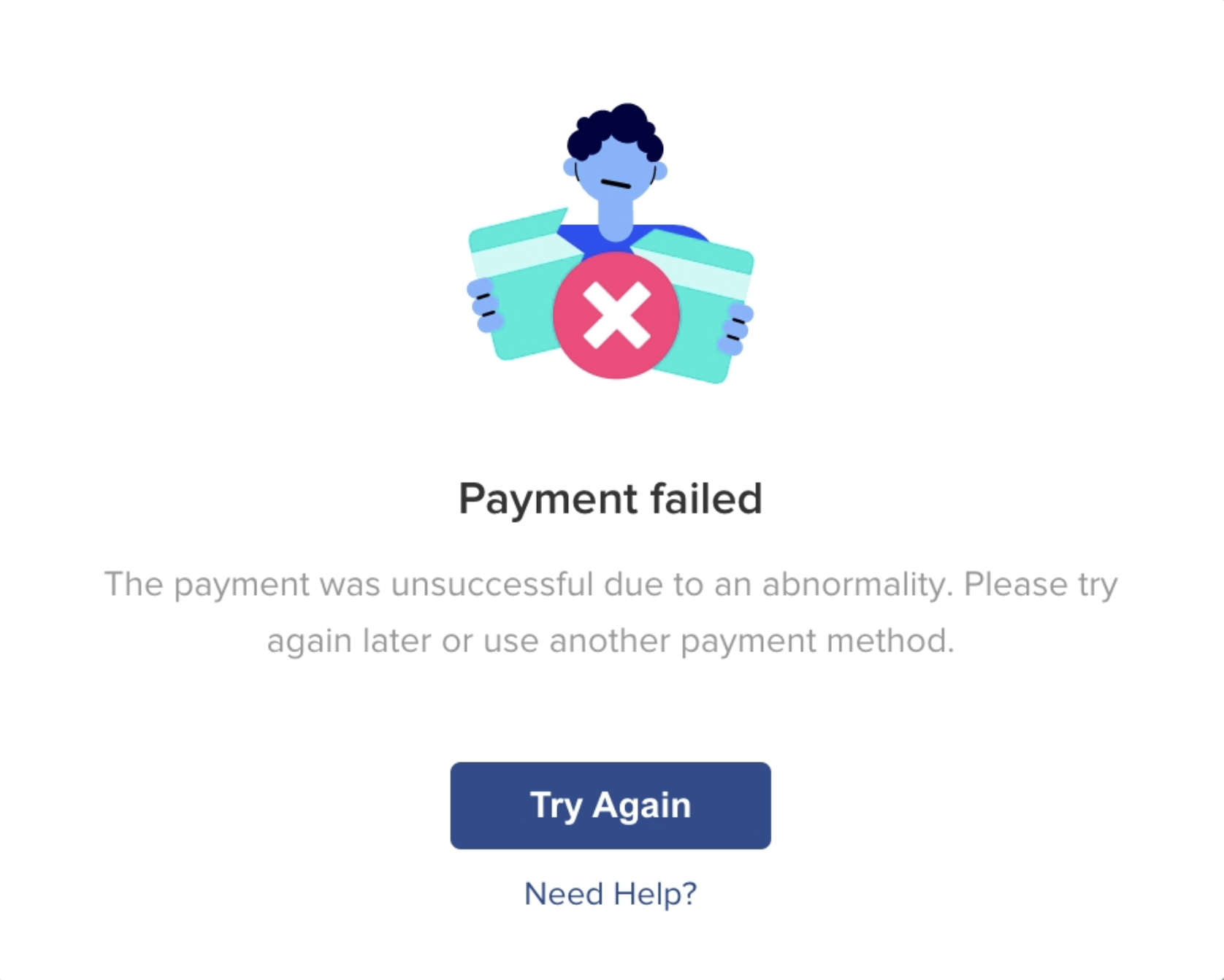
Understanding Why Your Payment Method May Be Declined
In today’s digital age, online shopping has become the norm. However, encountering a declined payment can be a frustrating experience for any consumer. Understanding the various reasons behind a declined payment method can help mitigate the stress and enable quicker resolutions. In this article, we delve into some of the most common reasons why payments are declined and provide tips on how to handle such situations.
1. Insufficient Funds
The most common reason for a declined payment is insufficient funds in your bank account or on your credit card. Whenever a transaction is initiated, the payment processor checks if there are enough funds to cover the total cost. If the balance is lower than the amount being charged, the transaction will be declined. To avoid this issue:
- Check your account balance before making a purchase.
- Consider keeping a small buffer in your account to cover any unexpected charges.
2. Incorrect Payment Details
One of the most straightforward reasons for a declined payment is entering incorrect payment information. This can include:
- Wrong credit card number
- Incorrect expiration date
- Missing CVV (Card Verification Value)
- Incorrect billing address
To minimize the chances of this happening, always double-check the entered details before confirming a payment.
3. Expired Card
Using an expired credit or debit card will also lead to payment failure. Credit cards have expiration dates for security reasons. Ensure that your card is valid and has not surpassed its expiration date before attempting to make a purchase. If you need to use a different payment method, consider updating your payment information on the platform you are using.
4. Payment Gateway Issues
Sometimes, the issue may not lie with your payment method but rather with the payment gateway itself. Payment gateways can experience downtime for maintenance or technical glitches. If you suspect this is the issue, try waiting a little while and attempt the transaction again. If the issue persists, contact the website’s customer support for guidance.
5. Bank Restrictions
Financial institutions often place restrictions on certain transactions to guard against fraudulent activity. For instance, if you are traveling abroad and try to make a purchase that seems unusual for your spending pattern, your bank may decline the transaction. To avoid issues:
- Notify your bank when you plan to make significant purchases or travel internationally.
- Always check for any alerts from your bank regarding blocked transactions.
6. High-Risk Transactions
Some payment processors categorize transactions as “high-risk” due to various factors, including the nature of the purchase, its amount, or even the merchant’s location. If a transaction is flagged as high-risk, it may be automatically declined. To handled flagged transactions, ensure you:
- Communicate with the merchant beforehand.
- Provide any necessary identification or supplementary information if requested by the payment processor.
7. Outdated Payment Method
In environments where subscriptions are the norm, outdated payment methods can lead to declines. Often, companies store payment information for automated billing. If your payment method has changed, or if your card has been replaced, you’ll need to update this information to avoid declined payments.
8. Fraud Alerts
If the payment processor detects suspicious activity on your account, they may proactively decline a transaction for your safety. For instance, if multiple charges occur in a short period, the bank may flag these as potential fraudulent activity. If you believe this is the case, contact your bank immediately to lift the fraud alert.
9. Merchant Issues
Sometimes, the merchant’s policies or criteria may lead to a payment decline. This could include:
- Merchant account being flagged for suspicious activity
- Merchant not accepting your specific type of card
Always verify the merchant’s policies and terms of service to ensure that your payment method aligns with their accepted forms of transactions.
10. Conclusion
Facing a declined payment can be worrisome, but understanding the reasons behind it can ease some of the stress. Whether dealing with outdated information, insufficient funds, or technical glitches, being proactive can help you manage your transactions smoothly. Always keep your payment information updated, communicate with your bank when necessary, and if issues persist, don’t hesitate to reach out to customer support for help.

For more detailed information on this topic, you can visit the source: Why Payment Method Declined Happens in Facebook Ads https://crazyfb.shop/en/page/pochemu-payment-method-declined-v-facebook-ads.
