
The Office of Foreign Assets Control (OFAC) sanctions against Cuba have been a significant aspect of U.S. foreign policy for decades. These sanctions aim to pressure the Cuban government into political and economic reforms and have influenced U.S.-Cuba relations in various ways. For a detailed overview of current rules and regulations regarding OFAC sanctions on Cuba, visit OFAC sanctions Cuba https://foodtrucklady.com/pages/?ofac-sanctions-on-cuba-rules.html. Understanding these sanctions is crucial for any entity considering engagement with Cuba or those who are simply interested in the political dynamics of the region.
Historical Context of OFAC Sanctions on Cuba
The origins of U.S. sanctions against Cuba date back to the Cuban Revolution in 1959, which saw Fidel Castro overthrow the Batista government. The revolution prompted initial trade restrictions, but it was the nationalization of American-owned businesses and properties in Cuba that solidified U.S. animosity. In 1960, President Dwight D. Eisenhower imposed the first economic embargo against Cuba, marking the beginning of stringent sanctions that would evolve over time.
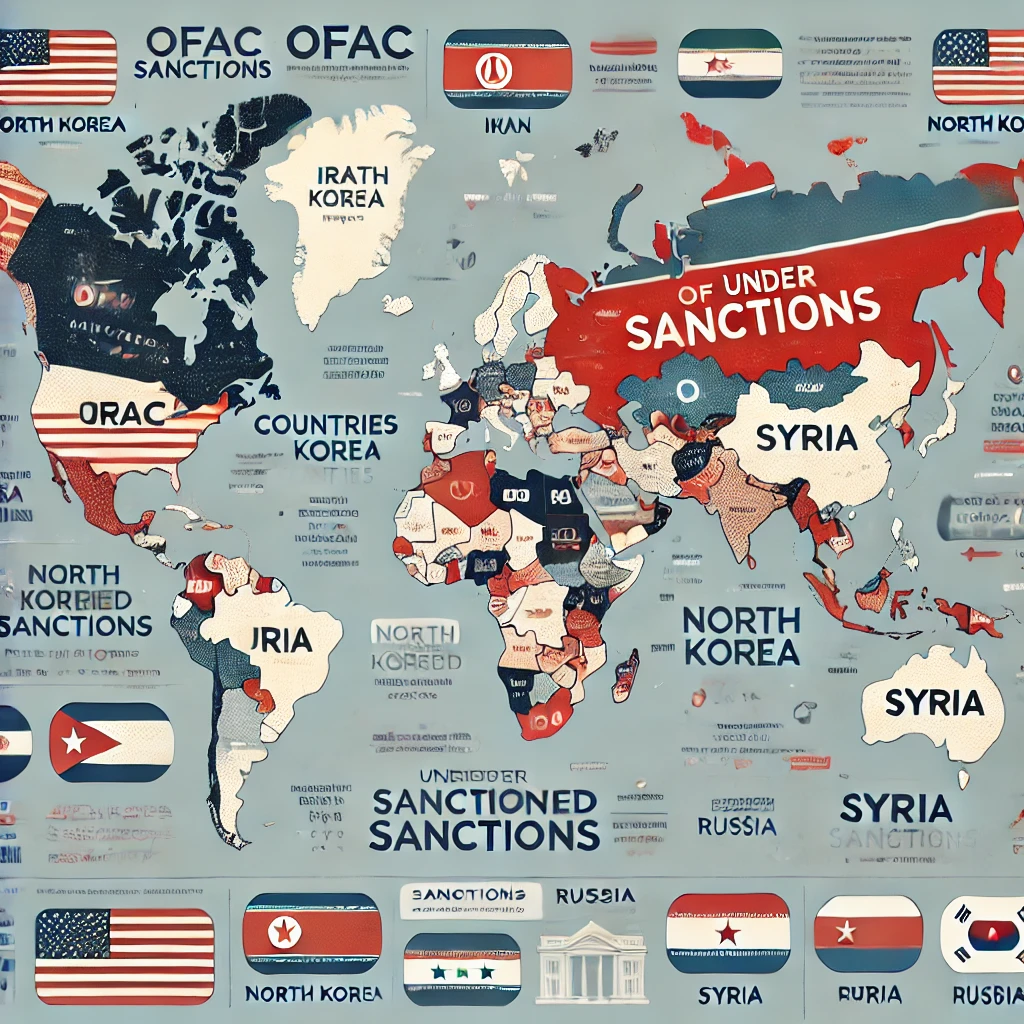
In the following years, the situation escalated, particularly following the Cuban Missile Crisis in 1962, leading to a complete trade embargo being established. OFAC was established to implement and enforce these sanctions, and as a result, it has developed a complex framework that governs virtually all interactions between U.S. entities and Cuba.
Legal Framework of OFAC Sanctions
The legal basis for OFAC’s sanctions includes several legislative acts, most notably the Cuban Democracy Act of 1992 and the Helms-Burton Act of 1996. These laws not only maintain the embargo but also establish specific restrictions on travel, trade, and financial transactions with Cuba.
Under these sanctions, U.S. citizens and residents are generally prohibited from engaging in commercial activities in Cuba. However, exceptions exist, including transactions related to family visits, educational activities, and certain types of humanitarian work. Additionally, specific categories of Cuban-origin goods can be imported under limited conditions.
Current Regulations and Orders
In recent years, the presidential administration has played a significant role in shaping the regulations surrounding OFAC sanctions on Cuba. For instance, the Obama administration took a landmark approach by easing certain restrictions in 2014, aiming to foster diplomatic relations and promote change within Cuba through engagement rather than isolation. These changes allowed for increased travel, remittances, and business opportunities.
However, subsequent administrations have reversed many of these policies, reinstating stricter measures. This seesawing approach has created an atmosphere of uncertainty for businesses and individuals looking to engage with Cuba, as the regulations can rapidly shift based on the current political climate in the U.S.
Impact of the Sanctions on the Cuban Economy
The sanctions imposed by the United States have had profound implications for Cuba’s economy. The embargo has restricted access to vital goods, including food, medicine, and technology. According to various reports, the economic fallout from the sanctions has exacerbated domestic issues, leading to shortages and increased hardships for ordinary Cubans.
Trade restrictions have also stifled opportunities for foreign investment, limiting Cuba’s economic growth potential. While some sectors have seen limited engagement from foreign companies, primarily from countries like China and Canada, the overall economic environment remains challenging due to the overarching presence of U.S. sanctions.
Potential Opportunities Amidst the Sanctions
Despite the restrictive nature of the OFAC sanctions, there are potential avenues for engagement. Various sectors, particularly in the realm of agriculture and humanitarian aid, present opportunities where U.S. entities can operate under the existing legal framework. Furthermore, the Cuban government’s emphasis on economic reform may create openings for specific types of collaboration.
Businesses interested in navigating the complexities of OFAC regulations must exercise caution and due diligence. Consulting with legal experts who specialize in trade and sanctions law is essential for ensuring compliance and understanding the nuances of permissible activities.
The Future of U.S.-Cuba Relations
The future of U.S.-Cuba relations remains uncertain, particularly in light of the shifting political landscape. Both countries have experienced changes in leadership that could impact diplomatic efforts and sanction policies. Moving forward, the balance between enforcing sanctions and promoting diplomatic dialogue will likely continue to shape Cuban-American relations.
Ultimately, the resolution of the sanctions dilemma will require comprehensive dialogue, mutual respect, and a commitment to addressing the underlying issues driving U.S. policy towards Cuba.
Conclusion
The OFAC sanctions on Cuba represent a complex interaction of history, politics, and economic strategy. For those looking to understand or navigate these sanctions, awareness of the legalities and potential paths forward is critical. By examining both the implications of the sanctions and potential avenues for engagement, individuals and businesses can better assess their position within this multifaceted environment. As U.S.-Cuba relations evolve, staying informed about changes to OFAC regulations will be essential for all stakeholders involved.
