

Mastering Forex Paper Trading: Your First Step to Real Trading Success
Embarking on a journey into the foreign exchange market can be both exciting and intimidating. For those new to trading, the best way to start is through forex paper trading Best UAE Brokers, a method that allows learners to practice trading without the risk of losing real money. This article will delve into the intricacies of Forex paper trading, its benefits, drawbacks, and how to maximize your experience.
What is Forex Paper Trading?
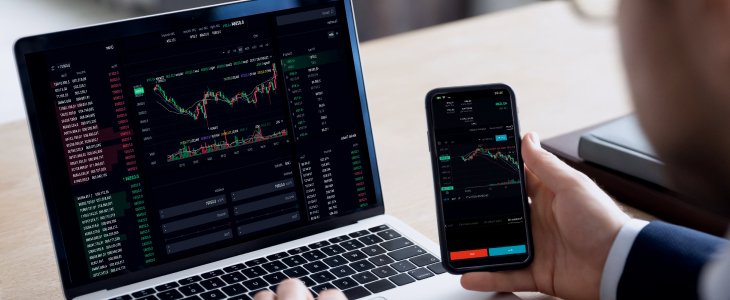
Forex paper trading, also known as simulated trading, involves trading currencies in a risk-free environment. Traders utilize virtual money to place trades, allowing them to experience market conditions and develop their strategies sans financial loss. Paper trading mirrors actual market conditions, providing a platform for novices to learn the mechanics of trading and practice various strategies.
Benefits of Forex Paper Trading
The advantages of engaging in Forex paper trading are manifold. Here are some key benefits:

- Risk-Free Learning: New traders can familiarize themselves with the complexities of the Forex market without the fear of losing actual funds.
- Skill Development: Paper trading enables users to hone their skills in charting, analysis, and strategy development.
- Creating Strategies: Traders can experiment with different strategies and refine them based on simulated outcomes.
- Understanding Market Dynamics: Engaging in paper trading helps traders grasp market fluctuations and how different factors affect currency values.
- Confidence Building: This method aids in building confidence, which is essential before transitioning to real-money trading.
How to Get Started with Forex Paper Trading
Starting your Forex paper trading journey is simple. Follow these steps:
- Select a Trading Platform: Choose a reputable trading platform offering paper trading services. Many platforms provide user-friendly interfaces that facilitate learning.
- Create a Demo Account: Most platforms allow you to create a demo account with virtual funds. Sign up and familiarize yourself with the platform’s features.
- Develop a Trading Plan: Before you dive into trading, outline your trading goals, risk tolerance, and strategies. A well-thought-out trading plan will guide your actions.
- Start Trading: Begin placing trades based on your strategies. Track your progress, keep a journal, and analyze your trades to learn from your successes and mistakes.
- Review and Adjust: Regularly review your performance and adjust your strategies. This iterative process is crucial for growth.
Common Pitfalls to Avoid
While paper trading is a beneficial tool, it’s important to be aware of potential pitfalls:
- Treating Paper Trading Like Real Trading: Some traders may take paper trading too lightly, failing to take it seriously. Treat your paper trades with the same seriousness as real trades to gain genuine experience.
- Becoming Overconfident: Success in paper trading can create a false sense of security. Remember that real trading involves risks and emotional management.
- Neglecting Risk Management: Even in a simulated environment, neglecting established risk management strategies can lead to bad habits that may persist in real trading.
- Ignoring Market Conditions: Ensure to stay updated with market trends and news. Paper trading should reflect the current market conditions for relevant learning.
- Transitioning Too Quickly to Live Trading: Take your time to build sufficient knowledge and confidence before transitioning to real trading, even if you are successful in paper trading.
Transitioning from Paper Trading to Live Trading
Once you feel comfortable with your trading strategies and your performance in a paper trading environment, it may be time to transition to real trading. Here are some tips to help you make the switch:
- Start Small: Begin with a small investment to ease into the emotional aspects of trading real money.
- Stick to Your Plan: Adhere to the trading plan you developed during your paper trading. Make adjustments only based on solid analysis.
- Implement Discipline: Maintain discipline in your trading, especially in the face of real financial stakes.
- Keep Learning: The learning never stops. Continue to educate yourself and adapt to changing market conditions.
Conclusion
Forex paper trading is an invaluable resource for novice traders looking to develop their trading skills and strategies without financial pressure. By taking advantage of the risk-free environment it provides, traders can gain a comprehensive understanding of the market and prepare themselves for the challenges of real trading. Remember that paper trading is just the beginning; the real journey into trading lies ahead, filled with both opportunities and challenges. Embrace the process, learn from every experience, and you will pave the way to becoming a successful Forex trader.
