
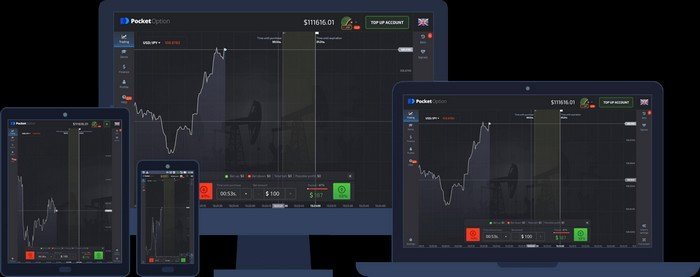
Pocket Option OTC and Exchange: A Comprehensive Guide
In the world of online trading, platforms like Pocket Option have gained immense popularity due to their user-friendly interfaces and variety of trading options. Among the key features that traders often encounter are OTC (Over-The-Counter) trading and traditional exchange trading. Both of these avenues present distinct opportunities and challenges, and understanding the differences is crucial for any trader looking to succeed. To delve deeper into the specifics of Pocket Option’s OTC offerings, you can check out the detailed schedule at Pocket Option OTC and Exchange Hours https://pocket0pti0n.com/pocket-option-otc-schedule/.
What is OTC Trading?
OTC trading refers to trades that are not executed on a formal exchange. Instead, transactions are facilitated through a network of dealers, which allows for a more flexible trading environment. In Pocket Option, OTC trading provides unique assets and commodities that may not be available on standard exchanges. This can include certain cryptocurrencies, foreign currencies, and various types of contracts not listed on traditional marketplaces.
Advantages of OTC Trading on Pocket Option
- Flexibility: OTC trading offers greater flexibility in terms of prices and execution times. Traders can negotiate their buy and sell prices directly with their counterparty.
- Variety of Assets: Traders can access a wider range of financial instruments that may not be listed on typical exchanges, enhancing diversification options.
- Less Regulation: OTC markets can be less regulated, which may allow for quicker trades and a better opportunity for those willing to accept the associated risks.
What is Exchange Trading?
Exchange trading, on the other hand, occurs on established financial exchanges, such as stocks or cryptocurrency exchanges. In this scenario, traders buy and sell assets that are listed publicly, ensuring a regulated environment where prices reflect the broader market sentiment. Pocket Option provides access to a number of traditional exchanges, allowing users to trade a variety of standard assets.
Advantages of Exchange Trading
- Transparency: Exchange trading is generally more transparent, with prices that reflect the consensus value of the asset as determined by market forces.
- Regulation and Security: Exchanges are subject to regulatory scrutiny, which can provide additional security for traders regarding the fair execution of trades.
- Liquidity: The major exchanges often feature higher liquidity, enabling faster trades and less price slippage.
Key Differences Between OTC and Exchange Trading
| Feature | OTC Trading | Exchange Trading |
|---|---|---|
| Market Structure | Decentralized, direct interactions | Centralized, regulated exchanges |
| Price Visibility | Less transparent; prices may vary | Higher transparency; market-driven prices |
| Asset Variety | More diverse, often including exotic assets | Typically includes well-known stocks, commodities, and currencies |
| Liquidity | Variable; can be low for certain assets | Generally high; better for mainstream assets |

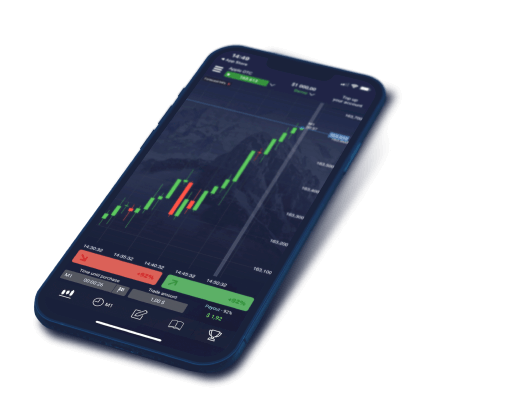
Best Practices for Trading on Pocket Option
Trading effectively, whether in the OTC or exchange environment, requires certain strategies. Here are some best practices to consider:
- Research Thoroughly: Understand the assets you are trading, including market trends and news that might affect prices.
- Set Clear Goals: Define your trading objectives, including risk tolerance and profit targets, before entering into trades.
- Utilize Technical Analysis: Leverage charts and indicators to make informed trading decisions based on historical data.
- Practice Risk Management: Use stop-loss orders and diversify your portfolio to minimize potential losses.
- Continuous Learning: Stay updated with market news and trading strategies to enhance your trading skills.
Conclusion
In conclusion, Pocket Option offers both OTC and exchange trading options, each with its unique set of advantages and challenges. Understanding the differences between these two avenues is critical for traders seeking to optimize their strategies and maximize their earnings. Whether you prefer the flexibility of OTC trading or the transparency of exchange trading, it’s essential to equip yourself with knowledge and best practices to navigate these platforms effectively.
By understanding the dynamics of each trading environment, you can better position yourself for success in the competitive world of online trading.
